Resources
The Complete B2B Buyer's Guide to Private Label Cat Litter
The Complete B2B Buyer's Guide to Private Label Cat Litter
Cat litter is one of the rare pet-category products where the sale is never really finished. A cat uses it every day, which means the bag replaces itself on a predictable cycle — a dream scenario for any brand or retailer building recurring revenue. That is exactly why private label cat litter has become one of the fastest-moving segments in the pet-supply export market.
But private label is only as good as the formula behind it and the factory that makes it. This guide walks B2B buyers — importers, distributors, and brand owners — through the five main litter types, the quality metrics that actually matter, and how to choose a manufacturing partner you can defend to your own customers.
The Five Formulas Every Buyer Should Know
| Type | Base material | Best for | Key strength |
|---|---|---|---|
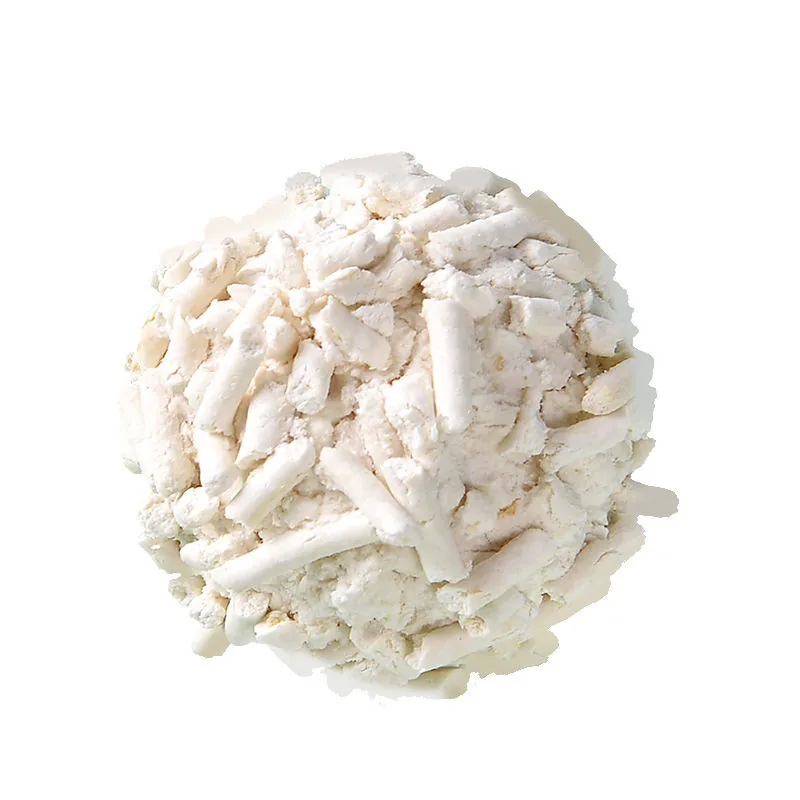
| Tofu | Soybean okara (plant-based) | Premium eco brands | Fast clumping, flushable, lightly scented, low dust |
| Cassava | Food-grade tapioca | Sensitive / premium markets | Clumps in 1–2 seconds, ultra-low dust, 50h+ odor control |
| Bentonite | Natural mineral clay | Mass-market value | Strong 2-second clumps, familiar, cost-effective |
| Sodium bentonite | Montmorillonite-rich clay | Premium mineral lines | Ultra-fast clumping, superior odor lock |
| Mixed | Tofu + bentonite / cassava / sodium | Differentiated SKUs | Tunable ratios balancing clumping power with plant comfort |
Five Metrics That Separate a Good Litter From a Returned One
Clumping speed and strength. Two seconds is the benchmark for mineral litters; plant-based should clump within a few seconds without crumbling under the scoop.
Dust level. Fine dust is both a respiratory irritant and a logistics headache — it escapes bags and clogs lines. Sub-1% dust is the target for premium lines.
Odor control duration. Look for verified hours, not vague claims. Fifty-plus hours is a credible plant-based benchmark.
MOQ and lead time. Low MOQ lets you test a SKU before committing container volume; fast lead time protects you during demand spikes.
Certifications. ISO 9001, REACH, CE and SDS are the baseline documents global buyers and customs expect. Without them, shelf access shrinks.
Why the Manufacturing Base Decides Product Quality
Most manufacturers on the market are trading companies that source litter from whoever is cheapest this quarter. The result is batch-to-batch inconsistency your customers will notice — and remember.
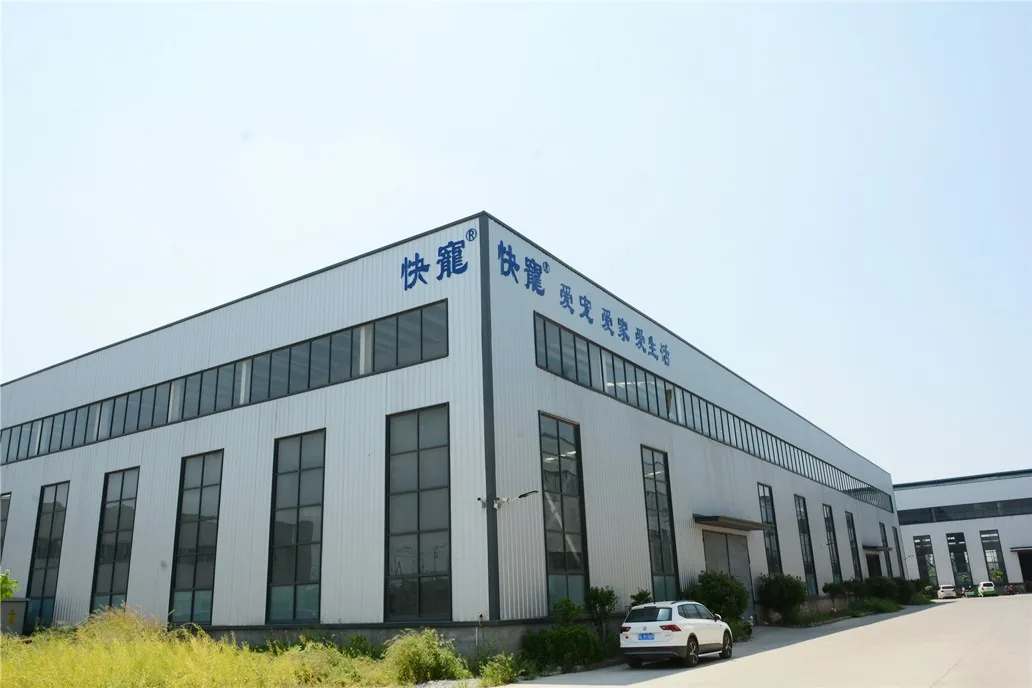
KuaiChong runs a self-owned 20,000 m² plant in Luohe, China, operating since 2013. The differentiator is vertical integration: we process our own soybean okara (the core raw material for tofu litter) in-house, which most competitors outsource. That control translates into hard, auditable numbers — 200 tons of daily output, a defect rate below 0.3%, and dust separation down to 0.7–0.9%. A 13-year track record plus ISO 9001, REACH, CE and SDS certification mean the specs on the data sheet are the specs in the bag.
Your OEM/ODM Checklist
Formula: pick a single base or a custom blend ratio for mixed SKUs.
Scent: unscented, light, or a custom fragrance.
Packaging: bag size, material, and private-label print.
Branding: logo, color, and multilingual labels for your target markets.
MOQ: confirm the minimum before sampling.
Sample: always request a free sample and test clumping and dust yourself.
Get a Quote and Free Samples
If you are scoping a private label cat litter line, the fastest path is a conversation. Tell us your target market, preferred formula, and monthly volume, and we will return a formula proposal, MOQ, lead time, and free samples within 24 hours. Contact KuaiChong's OEM team to start.
- Previous:Full Supply Chain Cat Litter Factory | Stable OEM
- Next:share
related news


I need help.
Prefer talking to people rather than filling out forms? Feel free to communicate efficiently through WhatsApp.

 English
